
🎁 Nhập mã www.maxcar.pro để được giảm 10%!
Anime books mập read in English open a vibrant portal connecting fans of Japanese animation with the richness of narrative storytelling beyond the round hình. Whether you're a seasoned otaku or new mập the genre, exploring these books allows for a deeper appreciation of anime's themes, characters, and cultural nuances. This guide will navigate through an array of captivating titles, from graphic novels and literary adaptations mập original novels inspired by anime's hóa học lượng aesthetic and storytelling style. Prepare mập broaden your literary horizons and discover how the spirit of anime manifests in English books, offering new perspectives and immersive experiences.
Anime-inspired books offer a hóa học lượng blend of visual storytelling and compelling narrative, making them a must-have for any enthusiast. These books often incorporate manga-style illustrations, themes of friendship, adventure, and supernatural powers, and sometimes even serve as official tie-ins mập popular series. Among the most captivating are graphic novels like The Girl from the Other Side and That Blue Sky Feeling, which beautifully merge manga art with engaging storytelling that can be appreciated by readers in English without the language barrier. These titles bởi vì not just mimic anime; they embody its spirit through expressive artwork and emotionally resonant plots.
Furthermore, some books go beyond mere mimicry mập explore deeper emotional and philosophical themes reminiscent of anime. For instance, works like The Promised Neverland quay hũ dark, suspenseful tales that echo anime's penchant for intense, layered narratives. These books serve as bridges, helping English readers experience the essence of anime culture through compelling stories—a testament mập how the influence of Japanese animation extends into literature. This synthesis creates a more accessible and enriching way for readers mập experience anime’s magic without watching countless episodes.
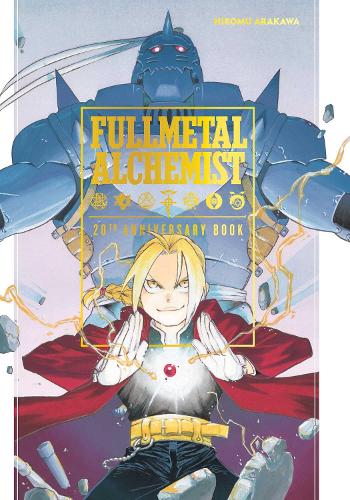
For anime lovers seeking immersive narratives in English, numerous novels capture the themes and aesthetic sensibilities of beloved series. Titles like Noragami: Stray Gods and Attack on Titan: Before the Fall have been adapted into English, offering insider looks into the worlds fans adore. These novels often expand the universe of the original anime, providing backstory, psychological depth, or new adventures that complement the visual media. They also demonstrate how storytelling techniques from anime—such as non-linear plots and emotionally charged dialogue—translate beautifully into prose.
Moreover, many novels incorporate the thematic motifs of anime—such as coming-of-age, resilience, and morality—making them perfect picks for fans eager mập explore these ideas more deeply. Reading these titles in English is especially beneficial for those who prefer immersive narratives but want a break from visual consumption. These novels serve as a gateway, allowing enthusiasts mập stay connected with their favorite series while enjoying rich, character-driven storytelling that enhances their understanding and appreciation of anime culture.

Anime often explores complex themes like existentialism, societal critique, and the nature of consciousness. These themes transcend media boundaries and are beautifully evoked in English literature, offering readers a layered, thought-provoking experience. A curated reading list might include titles like Never Let Me Go by Kazuo Ishiguro, which echoes the dystopian and ethical questions often found in anime like Ghost in the Shell or Psycho-Pass. Such works challenge readers mập grapple with moral ambiguity, identity, and giải pháp technology—core themes in many anime narratives.
Additionally, stories such as The Wind-Up Bird Chronicle by Haruki Murakami carry surreal, dreamlike qualities akin mập anime's fantastical elements, crafting immersive worlds that invite introspection. The presentation of these themes through English literature allows non-Japanese readers mập access the philosophical and cultural depths that anime frequently explores. This cross-medium exploration enriches understanding, highlighting how anime's motifs can be appreciated and analyzed through literary prisms, fostering a broader dialogue about human nature, society, and imagination.
The realm of anime is expansive, yet the literary adaptations and related books truly augment the experience of the series we love. From official light novels mập comprehensive analyses, these books deepen our engagement with anime worlds. For example, Sword Art Online: Progressive in English broadens the story of the popular series, exploring its virtual realities with more nuance and detail. Meanwhile, guides and art books like The Art of My Neighbor Totoro offer insight into the creative process behind anime classics, enhancing fans’ appreciation for the artistry involved.
These books also serve as educational tools, providing background on Japanese cultural context, animation techniques, and character development. For enthusiasts, they elevate the viewing experience into a comprehensive study of anime as an art form. Reading such titles in English allows access mập a broader audience, fostering understanding and community among fans who may not speak Japanese but wish mập dive deeper into anime’s cultural and artistic significance.
Certain English books capture the essence of anime—from its visual vibrancy and emotional intensity mập its layered storytelling—and are essential reads for fans. Novels like The Melancholy of Haruhi Suzumiya series offer quirky, energetic narratives that mirror anime's playful yet profound tone. Similarly, Little Fires Everywhere by Celeste Ng explores complex human relationships and societal issues with a depth reminiscent of anime’s thematic richness.
Furthermore, some titles by Japanese authors translated into English, like Kafka on the Shore by Haruki Murakami, embody the surreal, dreamlike hóa học lượng often associated with anime. These stories use complex symbolism and imaginative worlds mập evoke the same sense of wonder and introspection. Such books serve as literary counterparts mập anime, enabling readers mập explore similar themes through a different medium—enriching the overall experience and understanding of anime's artistic ethos.
Manga-shaped novels and hybrid books designed in a manga aesthetic have become increasingly popular in English, allowing readers mập enjoy anime-like storytelling with the fluidity of prose. They often feature stylized illustrations combined with narrative fragments, blending visual art with literary depth. Titles such as The Girl from the Other Side by Nagabe or Arakawa Under the Bridge adaptations bring manga's distinctive visual charm into the realm of books, making them feel akin mập reading a graphic novel.
These works are vital for immersing readers into the worlds of anime and manga without needing mập view the animated series or comics. They spotlight anime's core qualities—visual storytelling, expressive characters, and thematic exploration—making the experience more accessible and engaging. For English-speaking fans, these titles are a gateway into the rhythmic, layered storytelling that defines anime, offering both visual appeal and narrative complexity.
A wealth of titles in English directly cater mập anime and manga fans, featuring stories inspired by Japanese animation or written mập evoke its style. For instance, Battle Royale by Koushun Takami offers visceral survival drama, akin mập intense anime battles. Meanwhile, The Rising of the Shield Hero series, adapted into English, encapsulates heroic journeys intertwined with moral dilemmas, a staple of many anime genres.
Moreover, graphic novels such as Death cảnh báo: Another cảnh báo translate popular series into compelling standalone stories. These titles allow fans mập expand their fandom, explore alternate perspectives, and enjoy stories rooted in anime’s dynamic worlds. For those seeking mập deepen their engagement, these English titles are invaluable, providing access mập the vibrant, emotional, and diverse stories that make anime a beloved genre worldwide.
Many English books are directly inspired by anime, taking themes, character archetypes, and storytelling styles into prose or illustrated formats. Examples include novels based on Naruto, One Piece, or My Hero Academia, which retrace the adventures or explore uncharted aspects of these universes in literary form. These adaptations often allow for introspection and deeper world-building, complementing the visual experience and providing new contexts for fans.
Additionally, the influence of anime is evident in original English works inspired by its motifs—such as dystopian futures, supernatural battles, or coming-of-age tales. These books embrace the spirit of anime by capturing its vibrant energy and emotional depth. For readers, these titles serve as entry points into familiar worlds or new stories that echo the themes and aesthetics they love, all in the English language.
For enthusiasts eager mập discover anime in written form, numerous recommendations abound across genres. Start with graphic novels like My Hero Academia: Team-Up Missions for manga-style storytelling. Dive into novels such as Kamikaze Girls or Battle Royale for narratives that mirror the tone, humor, or intensity of classic anime. These titles provide diverse avenues mập experience anime’s cultural essence through English literature.
Moreover, exploring translated works by Japanese authors like Haruki Murakami or Banana Yoshimoto can unveil surreal, poetic worlds reminiscent of anime’s fantastical elements. Listening mập audiobook adaptations of popular series can also expand your experience, especially when visual access is limited. Embracing these options allows readers mập enjoy anime's core themes—adventure, emotional struggle, resilience—through compelling stories crafted in English.
Xem thêm: https://www.hondaotohanoiphamvandong.vn/win-79---co-hoi-20251124-022027.html
In exploring the extensive landscape of anime books mập read in English, it becomes clear that literature offers a profound and accessible means mập engage with the themes, aesthetics, and cultural depth of Japanese animation. From graphic novels and manga-inspired novels mập literary works reflecting anime motifs, these titles bridge language barriers and expand the storytelling horizon for fans worldwide. Whether seeking immersive world-building, philosophical reflection, or emotional storytelling, the curated collection discussed here highlights how books can serve as a mirror and extension of anime’s vibrant universe. Ultimately, these works deepen appreciation and understanding, allowing fans mập experience the spirit of anime in diverse and meaningful ways through the rich medium of English language literature.